Talking to other people helps; it really does sometimes. I switched from product analytics to marketing analytics without ever really thinking about it. It was more that I saw an opportunity and that's it. No big thinking, no big strategy session.
A few days ago, I sat down with [Bhav](https://www.linkedin.com/in/dodonerd/) and [Daniel](https://www.linkedin.com/in/danielperryreed/) for a recording of their podcast, [Analytics Unscripted](https://analyticsunscripted.com) (I will share the episode once it is released). And Bhav naturally asked me why I left product analytics. He and I (and [Olga](https://www.linkedin.com/in/olgaberezovsky/)) are the voices in this space (John left us earlier). So what triggered my decision?
What followed was a longer ramble on my end since I never really thought about it; I did not have a clear answer. And then Bhav said something really clever (he does these things) - I am paraphrasing here - "I guess, product analytics is not dead for you, you just found a better audience for your work". That made me stop and nod. He is right; that is what happened, and this blog post is the retrospective I never did before.
Stay in the loop
Get the next post in your inbox
Bi-weekly notes on marketing measurement, product analytics, and turning data into decisions.
Subscribe to the newsletter →
## The beauty of product analytics
Product analytics for me is still the most beautiful discipline in the analytics world. It works with event data (the shape of data I prefer most), it tries to solve something really complex, answering how a product is performing (we get back to this in a minute), and when applied in the right way, it gets us beautiful products you'll love (you might recognize my Marty Cagan reference here).
I loved working in product teams until I no longer loved it. What drove me away was not the discipline itself. But the environment that surrounds it. I started in product early in European terms. It was not an established role when I started working in it. A lot was possible, a lot needed to be tried and tested. A great time to do it.
I truly love the idea of creating tools that make people's lives better in any way possible, and I totally bought into the bicycle-of-the-mind idea (I still do).
But doing product work in an organization sets you at the center of everyone’s interest. Stakeholder management becomes a significant part of your work. Because it turns out everyone has an opinion about the product. That is the beauty of engineering roles: almost no one outside the engineering team has opinions about database models.
My savior was data. When you have a theater of opinions, hard numbers can calm the room down. I saw this played out many times (and played it out many times).
So I moved my passion from building to analyzing and optimizing product. A trade I always believed to be equal. Well, I love analytical work, I love system building, and I like numbers (I don't like charts so much, but boy, I love a spreadsheet or data frame).
After some time, when I started freelancing, I could really focus on product analytics setups (I had to bridge the gap in the meantime with marketing analytics work). And I delved deep into it, making it my mission to create better setups that generate insights to improve products.
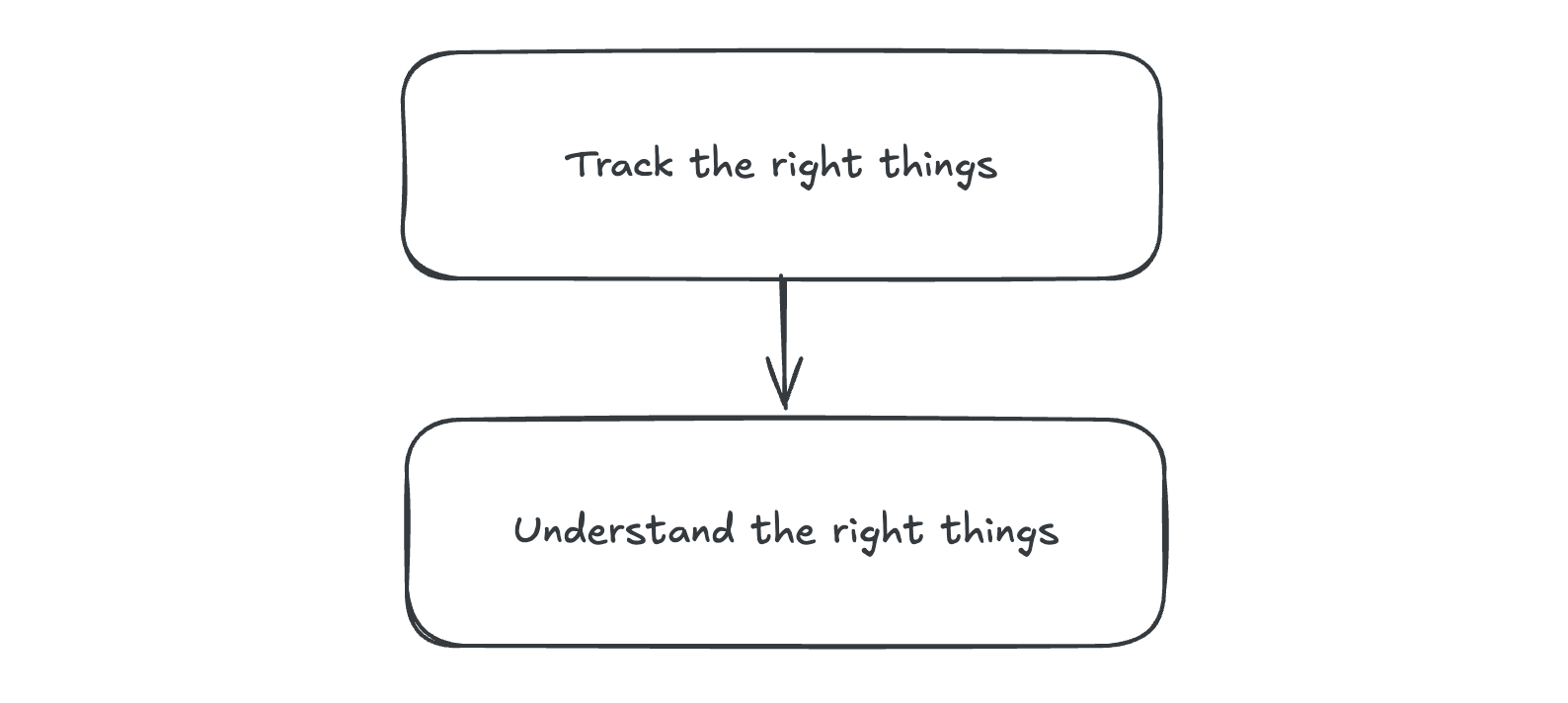
My first deep dive was on event tracking. How can we build better tracking setups—the ones that are better to maintain and, more importantly, the ones that deliver us the kind of data that really helps us to understand product performance and not just where someone clicked?
I wrote about the [common misconception in product analytics](/blog/the-easiest-tracking-setup-in-the/) that people often try to understand how users use the product rather than asking what brings them value. So the setups got better, and I became known for this online as well.
But the impact of all this was pure frustration. You set up analytics, define good events, and work on the first reports together. All great. But when you come back and check in for the impact of the data, there is nothing. Really nothing. I think I came across 1-2 setups that really impacted the product performance. A low rate of 3-6% of setups I worked on.
My usual answer to this was (and so, to some degree, still is), I just have to do something better. So I started working on systems to measure product performance and tie it to revenue analytics, creating what I called growth intelligence at the time. The feedback was great. The people I worked with changed (CROs were showing up in my inbox). But one thing remained. Building product analytics setups that support these kinds of insights is hard. It requires a data warehouse with a quite complex data model. Most people are not happy to invest 70–80k. For a setup that gives them good insights into revenue development but no guarantee that it will get you more revenue.
That's where I was in November 2025.
## The lure of marketing measurement
I had marketing measurement, or to be more specific, attribution, as a side-gig already for 1.5 years. Barbara and I met on LinkedIn, exchanging hot takes. We then talked, and talked some more, and agreed that the attribution space in 2024 is a mess (to be fair, it was and still is). Vendors flooding LinkedIn with silver bullets and marketing (and data teams) desperate to figure out what to do. This stuff was (and is) blocking marketing teams from making budget decisions.
So we created the [Attribution Masterclass](https://attributionmasterclass.com)—a four-session (free) workshop series where we showed different ways to attribute, which ones work for which kinds of insights, and how to avoid silver bullets. It was a huge success. They signed up so fast and in numbers I'd never seen with my other content formats. And every repetition of the format saw similar attention.
I started to see the fun in marketing and, most importantly, a challenge with a similar complexity to product analytics.
And then Barbara asked if we should try to find projects we can do together to help companies with marketing, and it turns out we did not have to wait for that.
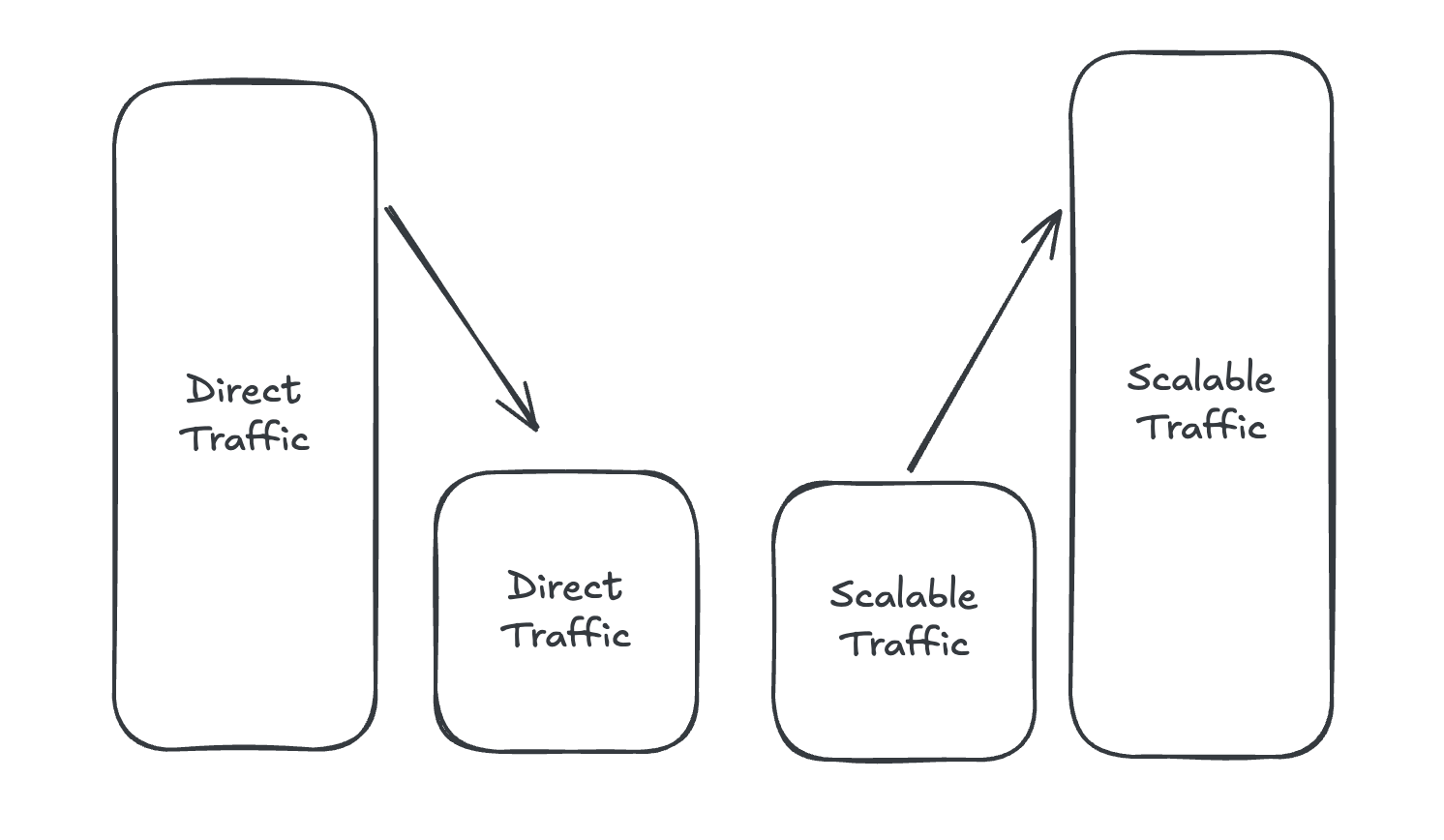
Long story short, these projects were fun, and the impact of the results was not lost on the team. Every reduction in the reported share of direct traffic enabled marketing to invest more and more confidently. Every audit that showed leaks and what works made it easier for marketing teams to move forward.
And I could spend 6 months on developing the "perfect" agnostic marketing measurement data model that unlocks all of it - which is my definition of fun.
## Find the audience that is desperate and can move things
Which brings us back to the initial question Bhav asked me on the podcast. Did I stop doing product analytics because it is dead? No, I stopped doing it because the audience for my work (aka the product teams) has no agency to improve things. And there is no blame for them. As noted before, the product role is hard because of how it is set up in most companies. There is no space to use product analytics.
All marketing teams have a clear, easy-to-measure goal. It is either growing leads, purchases, or any other kind of revenue. Often they are the driving force of the business; no marketing, 80% less revenue.
And they are in pain. They want to grow the business, but the data setup is holding them back. They don't want to throw money in a black box, but they also don't want to spend hours arguing for a different channel or campaign type to drive more leads.
And the final beauty - when you solve parts of the problem, you give them back agency, and that helps them run better marketing, and turns out that helps the business. Happy people (to be fair, it is not that easy).
[Product analytics is not dead](/blog/sunsetting-product-analytics/); it just lacks agency. It had its last high point when many companies believed in the PLG approach. Product in 2026? We have no idea. AI changes how products work. Not at the fundamentals. Product performance measurement has not changed. But the impact of product teams is in flux. But maybe this all changes, converges in any way in the future. Who knows.
I did not throw away my work in product analytics. I still have a 30% draft about strategic product analytics, and I will finish and publish it at some point.
But for now, I enjoy having projects with my "new" marketing audience.
Free Propel workshops
Put marketing measurement into practice
Watch our free sessions on attribution, signal engineering, and building measurement systems marketing teams can trust.
Explore the workshops →